Drone Flight Time Calculator
Plan your drone survey operation with our flight time calculator. Estimate coverage rates, battery requirements, and total flight time based on your site specifications.
Configure Your Survey
The total area to be surveyed
Fixed-Wing - Professional fixed-wing for rapid terrain coverage
Higher altitude = faster coverage but lower resolution
Higher overlap = more detail but longer flight time
Wind increases flight time due to reduced efficiency and stability requirements
Selected Drone Specifications
Flight Time Estimate
Estimated Total Flight Time
32 minutes
Based on 90 min battery life
Batteries Required
2 batteries
Includes 1 spare for safety
Coverage Rate
9.6 ha/hour
Adjusted for altitude and overlap
Estimated Images
167
Approximate captures required
Recommended Flight Passes
12 passes
Parallel flight lines
These estimates are indicative only and based on ideal conditions. Actual flight times may vary depending on terrain complexity, obstacles, regulatory requirements, and specific site conditions. Contact us for accurate project planning.
Want an accurate quote for your project?
Get a Free QuoteQuick Tips
- -Fixed-wing drones are ideal for areas over 20 hectares
- -75% overlap is recommended for most topographic surveys
- -Always plan for spare batteries and weather delays
Simple Process
How It Works
Get accurate flight time estimates in three simple steps
Enter Your Site Details
Input your site area, select your drone model, and set your desired flight altitude and image overlap percentage.
Adjust for Conditions
Factor in expected weather conditions to get a realistic estimate that accounts for wind resistance and efficiency losses.
Get Instant Results
Receive detailed estimates including total flight time, battery requirements, image counts, and recommended flight passes.
Equipment Options
Drone Fleet Comparison
Compare flight times and capabilities across our professional drone fleet
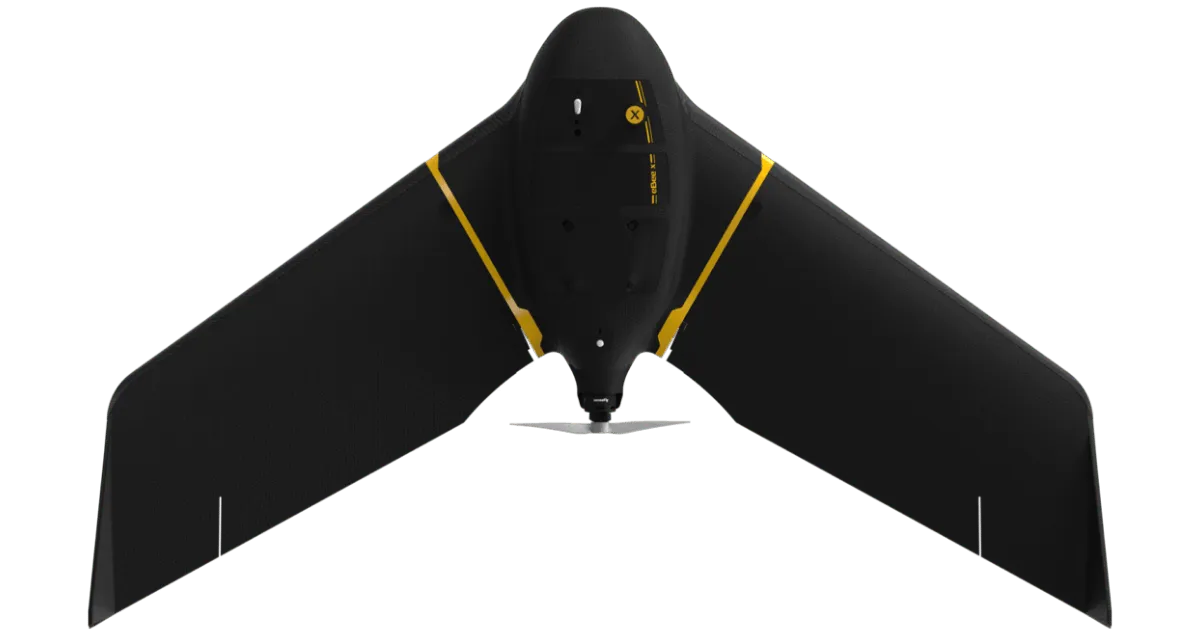 Fixed-Wing
AgEagle eBee X
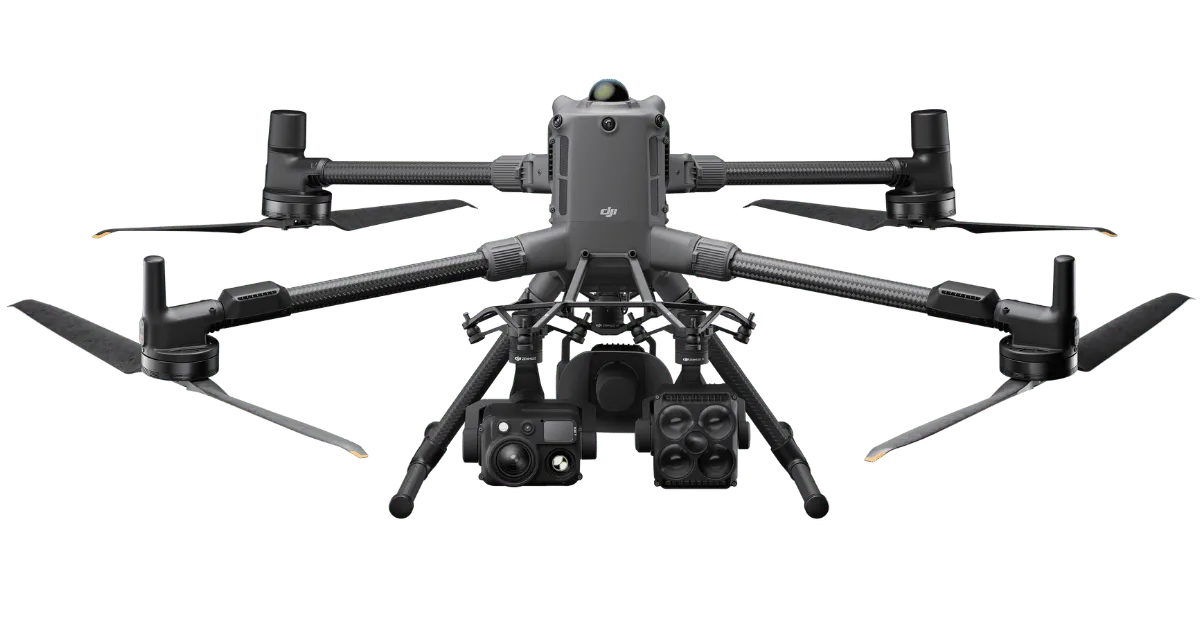 Heavy-Lift Enterprise
DJI Matrice 400
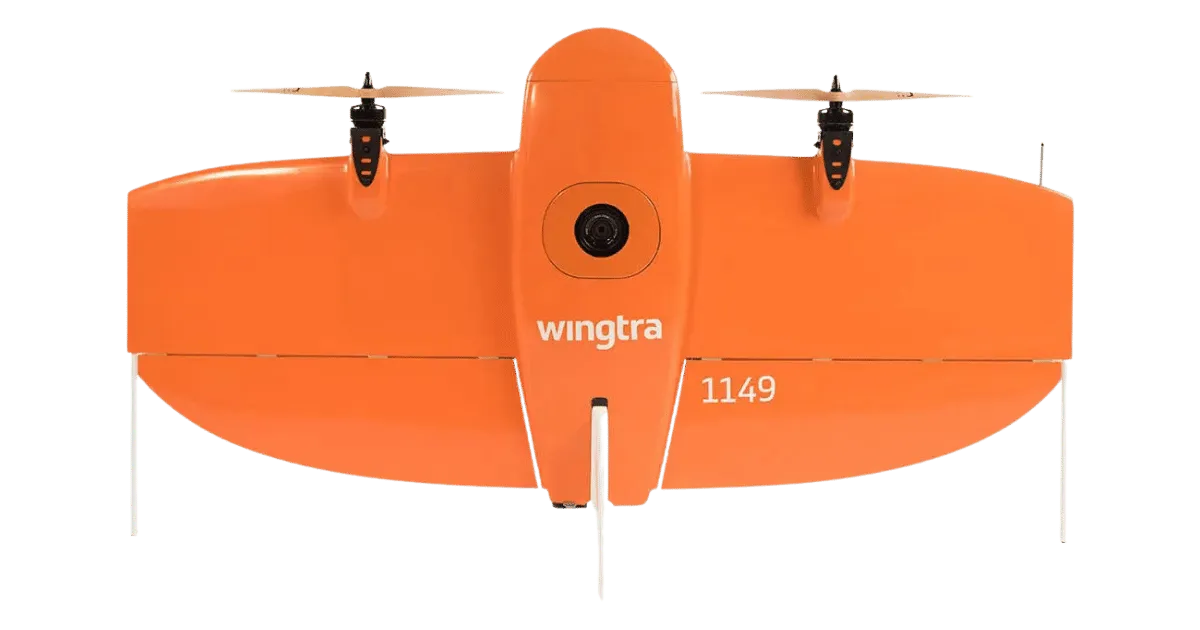 VTOL Fixed-Wing
WingtraOne GEN II
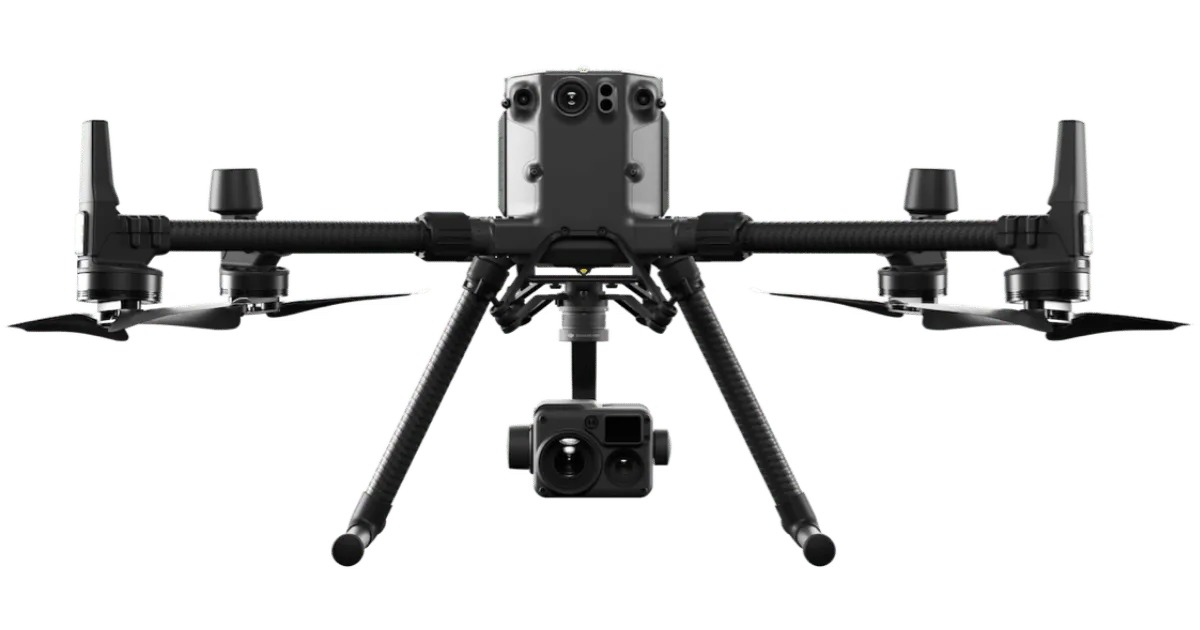 Enterprise Multi-Rotor
DJI Matrice 350 RTK
Common Questions
Flight Planning FAQs
Everything you need to know about drone survey flight planning
The duration of a drone survey depends on several factors including site size, required resolution, weather conditions, and the type of drone used. A typical 5-hectare site can be surveyed in approximately 30-45 minutes of flight time, though total project time including setup, ground control placement, and multiple battery changes may be 2-4 hours. Larger sites or those requiring higher resolution imagery will take proportionally longer.
Battery requirements depend on site size and drone type. As a general rule, plan for one battery per 2-4 hectares for multi-rotor drones at standard settings. Fixed-wing and VTOL drones can cover significantly more area per battery. We always recommend having at least one spare battery for contingencies. Our flight time calculator above provides specific estimates based on your project parameters.
Several factors influence drone flight time: payload weight (heavier sensors reduce flight time), wind conditions (flying into wind drains batteries faster), altitude (higher altitudes require more power), temperature (cold weather reduces battery capacity), and flight pattern (frequent turns and stops use more energy than straight-line flight). Weather conditions can reduce effective flight time by 15-30%.
Flight altitude depends on your survey requirements. Higher altitudes (100-120m) allow faster coverage and are suitable for large-area mapping where cm-level resolution is not critical. Lower altitudes (50-80m) provide higher resolution imagery essential for detailed inspections or when sub-centimetre accuracy is required. UK regulations limit drone flights to 120m above ground level for most operations.
For photogrammetry and 3D modelling, we recommend 75% frontal (forward) overlap and 65-75% side overlap as standard. Complex terrain, dense vegetation, or high-accuracy requirements may need 80-85% overlap. Lower overlap (60-65%) can be used for simple orthophoto generation on flat terrain. Higher overlap increases processing time and storage requirements but improves accuracy and model quality.
Professional survey drones can operate in wind speeds up to 10-15 m/s depending on the model. However, wind affects flight efficiency, battery consumption, and image quality. We typically recommend postponing surveys when sustained winds exceed 10 m/s or gusts exceed 15 m/s. Our enterprise drones like the Matrice series have higher wind resistance ratings than consumer models.
More Tools
Related Calculators
Explore our other free tools to help plan your drone survey project
Drone Survey Cost Estimator
Get an instant estimate for your drone survey project based on site size and requirements.
Drone Survey ROI Calculator
Compare drone surveys vs traditional methods and calculate your potential savings.
Area Measurement Tool
Draw and calculate the area of your site to help estimate survey requirements.
Ready to Get Started?
Need Professional Flight Planning?
Our expert team handles all flight planning, regulatory compliance, and mission execution. Get a free quote for your drone survey project and let us take care of the details.
- Detailed mission planning
- CAA regulatory compliance
- Optimal flight parameters
- Professional execution
Get Your Free Drone Survey Quote
Get a free quote for your drone survey requirements